Murder in Alps: Hidden Mystery
- 4.4
- Rating
- 10.00M
- Installs
- Free
- Price

 Analysis by App-foxy
I spent time with Murder in Alps: Hidden Mystery as a story-led adventure game built around investigation, hidden-object scenes, riddles, and criminal cases. Its setting gives the familiar search-and-solve formula a more focused identity: instead of moving through unrelated puzzles, I was following a murder mystery and paying attention to how each discovery affected the wider case. That structure makes it easy to play in short sessions, but it also rewards patience when a scene hides one last important object.
The game comes from Nordcurrent Games and is free to start on Android. It is aimed at Teen players, which fits the murder themes and the occasional tension better than a child-oriented puzzle label would. The current version is 11.2.0 and it requires Android 6.0 or later. With an average rating of 4.4 from around a million ratings and more than ten million installs, it has clearly found a large audience, though popularity alone does not make every part of the experience equally suitable for every player.
How the investigation feels in everyday play
My basic routine was simple: begin with the next available part of the case, read enough of the scene to understand what I was looking for, then enter a hidden-object section and work through it carefully. The strongest moments came when the object search felt connected to the investigation rather than like a completely separate minigame. Finding something that helped explain a character, location, or suspicious event gave the search a purpose beyond clearing a list.
You May Also Like

 Pandora - Music & Podcasts
Pandora’s Music Is Easy to Start, but Harder to Recover
Pandora’s strength is its low-effort path from a seed to a station. Its weak spot is how much confidence it asks you to place in connection, setup, and quiet recovery.

 AccuWeather: Weather Radar
AccuWeather Review: A Quick, Clear Forecast for Everyday Decisions
For everyday plans, the best forecast is the one you can understand quickly. AccuWeather makes rain timing, radar, and local conditions easy to act on, with a few trade-offs.

 Hill Climb Racing
Why Hill Climb Racing Still Turns Crashes Into One More Run
A tiny car, a bumpy hill and one more upgrade: Hill Climb Racing keeps resurfacing because its simple chaos makes every near-miss feel personal.

 AliExpress - Shopping App
AliExpress Makes Global Shopping Feel Personal, but Shoppers Bear the Risk
AliExpress turns a global marketplace into a pocket-sized discovery engine. Its reach is useful, its shopping loop compelling, and its trade-offs easy to miss.

 Lords Mobile: Kingdom Wars
Lords Mobile Is a Kingdom-Building Routine, Not a Quick Match
A case-by-case verdict on the building, battles, device demands, and social commitments that make Lords Mobile rewarding for some players and exhausting for others.

 PDF Scanner app - TapScanner
TapScanner Makes Paperwork Easier to Capture, Check, and Share
TapScanner makes scanning with a phone feel less like a rescue operation and more like a dependable step in getting work done. Its capture tools are useful, though not flawless.
More From Our News Desk
View All News


This is a good game for a short evening session. Imagine having fifteen minutes before bed or while waiting for an appointment. I could open the case, complete a small piece of dialogue or a search scene, and stop without needing to remember a complicated control scheme. The straightforward touch controls help here: tapping an object is all that is normally needed, so the attention stays on the image and the clues.
That simplicity does not mean every scene is effortless. Hidden-object games often rely on shape, color, and context, and this one can make a familiar item blend into the background. I learned not to tap randomly as soon as I entered a scene. A slower first scan was more useful: I looked across the image in sections, noticed unusual outlines, and then checked the task list against what I had already seen. This reduced wasted taps and made the discovery feel more deliberate.
The narrative is the reason I kept returning rather than treating the game as a collection of isolated puzzles. The alpine murder setting gives the investigation a consistent mood, while the characters and locations provide a reason to continue. I would not describe it as a replacement for a full-length console detective adventure, because the interaction is much lighter, but it works well for someone who wants mystery flavor without committing to a long uninterrupted play session.
Progress is easiest when I treated each scene as an observation exercise instead of a speed test. Before using any assistance, I checked whether the requested object could be partly hidden behind another visual element, represented by a less obvious angle, or confused with a similarly colored decoration. This habit matters because a quick hint may solve the immediate problem, but careful searching improves my ability to recognize the game’s visual language in later scenes.
What I check before starting a scene
I first read the objective completely. It is tempting to begin tapping the moment a picture appears, but the wording can change how I interpret the scene. If the task asks for several types of object, I mentally group them by shape or color and search for the easiest examples first. That gives me a visual anchor and prevents me from repeatedly scanning the same area without a plan.
I also keep my device screen clean and use a comfortable brightness level. That sounds minor, yet hidden-object games depend on small differences in texture and contrast. A dark scene becomes more tiring when the display is too dim, while excessive brightness can flatten subtle details. I found that a short pause between scenes was better than forcing myself through eye strain and then making careless taps.
When I get stuck, I do not immediately assume the game is being unfair. I zoom my attention rather than the image itself: I inspect corners, edges, shelves, tables, and places where an object would naturally be stored. Many searches become easier once I stop looking for the object as an isolated icon and ask where it would logically belong in the room. This is one of the most useful habits for new players.
Settings and play habits worth checking
The most important practical check is compatibility. Since the game requires Android 6.0 or later, I would confirm the phone or tablet can run it before planning a long playthrough. On a supported device, I would also make sure there is enough free storage and a stable connection for installation and updates, especially if I am downloading it shortly before traveling or relying on mobile data.
I recommend reviewing the in-game options before becoming invested in the story. Look for controls related to sound, notifications, and any visual or assistance preferences that are available on your device and in the game. I do not change everything at once. Instead, I adjust one setting, play a scene, and decide whether it improves concentration. Mystery games benefit from atmosphere, but background effects can become distracting when I am trying to identify a tiny object.
Notifications deserve particular attention. A game that encourages regular returns can interrupt other activities, so I prefer to keep reminders limited or disable them when I want a quiet session. This does not change the investigation itself, but it changes how the game fits into daily life. I would rather open it because I have chosen to play than feel pushed back into a case while working, studying, or relaxing with something else.
The game is free, but it includes optional purchases ranging from $0.49 to $49.99 per item. That is important when deciding how to approach progression. I played more comfortably after setting a personal rule not to buy help simply because I was impatient. If I reached a difficult search, I took a break, returned with fresh eyes, and only then considered whether spending anything was worth it. This keeps the free entry point from turning into an automatic payment habit.
For families, the Teen rating is worth treating as a real part of the decision rather than a decorative label. The murder investigation theme may be fine for older players who enjoy suspense, but it is not the same as a harmless matching game. I would make the choice based on the player’s comfort with crime stories and tense situations, not just on the fact that the controls are simple.
Faster patterns that preserve the fun
Experienced play is less about tapping quickly and more about building a repeatable search pattern. I usually divide a scene into a grid and scan from one corner to the other, moving in the same direction each time. When the list contains several objects, I mark the location mentally as soon as I spot one, then continue scanning instead of tapping immediately. This prevents a large object from distracting me from a smaller one nearby.
Another useful pattern is to search by visual category. I look for round shapes together, then long narrow objects, then items with strong color contrast. This works better than jumping randomly between unrelated words. It also helps when the scene contains several objects with similar names, because I can compare their outlines and context rather than relying only on a quick glance at the text.
I avoid spending assistance on the first item that catches my attention. If I am stuck, I scan the scene twice using different priorities: first by location, then by shape. Only after both passes do I consider help. The trade-off is that this takes a little longer, but it makes assistance more meaningful and gives me a better chance of solving the scene independently.
For story sections, I pay attention to names, places, and suspicious details instead of tapping through dialogue automatically. The game’s appeal depends on following the case, so skipping the narrative can make the next search feel disconnected. I do not try to memorize every line, but I keep a simple mental note of who was involved and what the current question is. That small effort makes the investigation easier to follow during short, interrupted sessions.
I also separate “difficult” from “tiring.” If I have searched the same picture for several minutes, my problem may be concentration rather than puzzle design. Closing the game and returning later often works better than repeatedly tapping the same area. This is especially useful for players who want to avoid purchases, because patience becomes a practical alternative to spending when progress slows.
Where the formula reaches its limits
The hidden-object structure will not suit everyone. If you prefer action, deep character control, or open exploration, this adventure may feel too passive. The main pleasure comes from examining scenes, reading the case, and solving compact challenges. There is no reason to expect the pace or freedom of a large role-playing game from it.
Repetition is another possible weakness. Even with a continuing murder story, the basic rhythm remains search, solve, read, and continue. I enjoyed that rhythm in short bursts, but I can see it becoming predictable during a long session. The best way around that is to play in chapters or small visits rather than trying to consume the entire mystery at once.
Free-to-play design can also affect the experience for players who dislike any pressure around optional purchases. The game costs nothing to begin, which makes it approachable, but the presence of item purchases means I would not recommend it to someone who wants a completely fixed, purchase-free experience. A premium detective game may be a better fit for that person, even if it offers fewer casual sessions.
Compared with ordinary hidden-object apps, this one has a clearer reason to keep searching because the scenes support a crime narrative. Compared with traditional point-and-click mysteries, it is easier to pick up and requires less precise interaction, but it offers less freedom in how I approach a problem. That middle position is its main strength and its main limitation: it is more story-driven than a simple object catalog, yet more guided than a full investigation simulator.
Players should also consider their preferred screen size. On a phone, the portability is excellent, but small objects demand more concentration and careful tapping. A tablet can make visual searches more comfortable, especially for longer sessions. I would choose the larger screen if I planned to play frequently, while a phone remains perfectly practical for occasional case progress.
Who will enjoy solving the case
I recommend it to players who like crime fiction, visual searches, and stories that can be advanced in manageable pieces. It is particularly suitable for someone who wants a mystery game during commutes, breaks, or quiet evenings and does not need complex controls. The Teen rating also makes it more appropriate for older players who are comfortable with murder-themed storytelling.
I would be more cautious about recommending it to people who become frustrated by searching the same image repeatedly. The game asks for visual patience, and a player who wants every clue to be immediately obvious may find the slower scenes irritating. It is also not my first choice for someone seeking a one-time, uninterrupted narrative with no free-to-play considerations.
For a new player, my practical advice is to begin without rushing, read the current objective, scan systematically, and resist using help on the first difficult item. Check the sound and notification settings, decide in advance how you feel about optional purchases, and stop when concentration drops. Those habits make the investigation feel more like solving a case and less like fighting the interface.
My final view after settling into its rhythm
Murder in Alps: Hidden Mystery succeeds because it gives hidden-object play a recognizable purpose. I was not merely clearing decorative pictures; I was using each search to move through a murder investigation set in the Alps. The story, approachable controls, and short-session structure make it easy to recommend to the right kind of player.
Its limitations are equally clear. The guided format will not satisfy players who want broad detective freedom, and the repeated search pattern can become tiring if played for too long. Optional purchases also mean that free access does not automatically equal a completely frictionless experience. I think the fairest approach is to enjoy it at a measured pace and treat patience as part of the strategy.
With a price of free, a Teen content rating, and broad support for Android devices running version 6.0 or later, it is easy to try without a large commitment. Nordcurrent Games has built an adventure that works best when I give it attention in small, focused sessions. My strongest recommendation is to play it as a calm investigation, not a race: scan carefully, follow the case, adjust the distractions, and decide for yourself whether the story is worth continuing before considering any purchase.
FAQs for Murder in Alps: Hidden Mystery
01What is Murder in Alps: Hidden Mystery about?
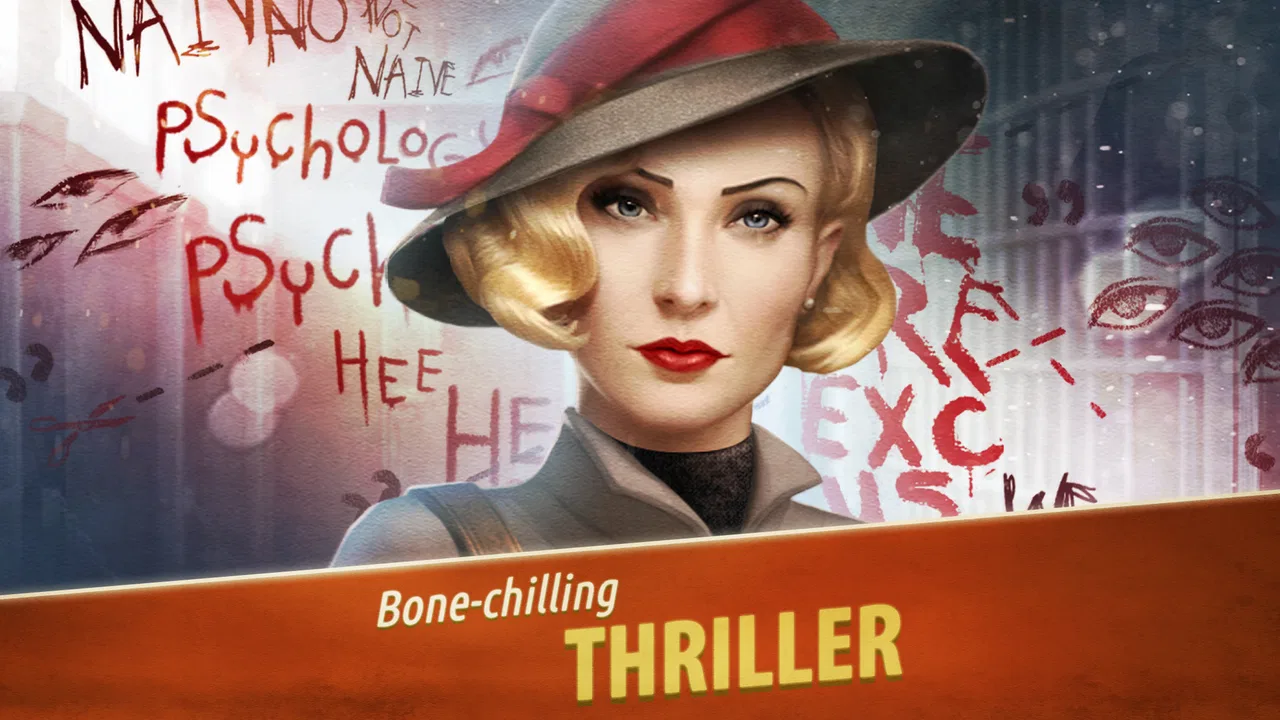
Murder in Alps: Hidden Mystery is a story-driven hidden-object adventure set in a secluded Alpine hotel during the 1930s. You investigate a mysterious murder by exploring rooms, searching for clues, questioning guests, and following a developing crime narrative. The game combines detective work with illustrated scenes, character conversations, puzzles, and several interconnected chapters.
02How does the gameplay work in Murder in Alps: Hidden Mystery?
Gameplay mainly revolves around finding hidden objects in detailed locations, completing small puzzles, examining evidence, and choosing dialogue or investigation actions as the story progresses. You move between hotel areas and other locations, uncovering secrets connected to the guests. Some scenes require careful observation, while others depend on energy, hints, or progress through the investigation.
03Is Murder in Alps: Hidden Mystery free to download and play?
The game is generally free to download, but it includes optional in-app purchases and progression systems. Players may encounter energy limits, waiting periods, premium items, or opportunities to buy hints and other resources. It is possible to experience the investigation without paying, although patience may be necessary if you prefer not to spend money during longer play sessions.
04Does Murder in Alps: Hidden Mystery require an internet connection?
An internet connection may be needed for downloading the game, receiving updates, synchronizing progress, displaying certain content, and processing in-app purchases. Offline availability can vary depending on the device and the current version of the app, so it is safer to assume that a stable connection is required for the complete experience. Check the store listing before traveling or playing offline.
05Is Murder in Alps: Hidden Mystery suitable for children?
Murder in Alps: Hidden Mystery is designed for players who enjoy mystery stories, detective investigations, and hidden-object games, but it deals with murder, suspicious behavior, danger, and darker narrative themes. The presentation is stylized rather than graphically violent, yet younger children may still find the subject matter intense. Parents should review the age rating and consider the optional in-app purchases before allowing play.
Pros
- Atmospheric Alpine setting with detailed
- period-inspired visuals.
- Clever hidden-object scenes reward careful observation.
- Regular story chapters provide a strong sense of progression.
- Multiple characters create varied motives and suspicions.
- Playable offline after the required game data is downloaded.
Cons
- Energy limits can interrupt investigations during longer sessions.
- Some clues and hints may require premium currency or patience.
- Later chapters can feel repetitive in their hidden-object structure.
- Large downloads may consume considerable storage space.
- The mystery may be less satisfying for players wanting constant action.

Murder in Alps: Hidden Mystery
Gallery